Morphology & dimensions
Examine layer count, lateral size, aspect ratio and surface area according to the intended application.

Graphene is not a single specification. Discover how morphology, surface chemistry and dispersion format shape the material selection process.

Select a family to explore its characteristics and example grades. The technical starting point changes with the host material and processing conditions.
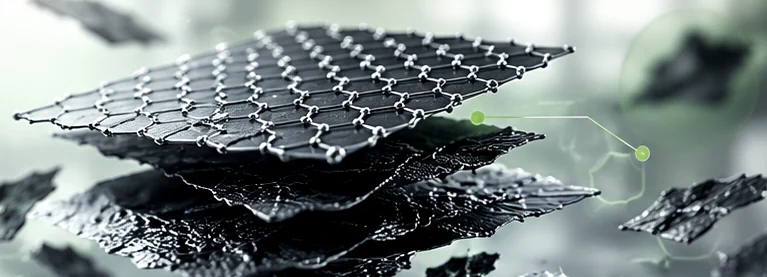
Few-layer carbon platelets with selectable dimensions and surface area, considered for mechanical, thermal, barrier and tribological formulation research.
Specifications shown are indicative examples from the SuperGrafeno portfolio, not certificates of analysis. Product documentation, performance and supply should be evaluated for each grade and market.
| Example grade | Family | Indicative attributes | Format / Selection context |
|---|
Particle dimensions alone are not enough. The right fit considers chemistry, compatibility and the testing required to prove a useful result.
Examine layer count, lateral size, aspect ratio and surface area according to the intended application.
Match functional groups, dispersion media and mixing routes to the chemistry of the host system.
Confirm dispersibility, processing stability and relevant outcomes with application-specific comparative tests.
Tell us your matrix, target properties and processing conditions. We can define a suitable technical starting point together.


